GLP-1 telehealth is usually framed as part of modern weight management, but its exact role is frequently misunderstood. This overview explains where these programs sit, what they are designed to do, and how they fit alongside other care models.
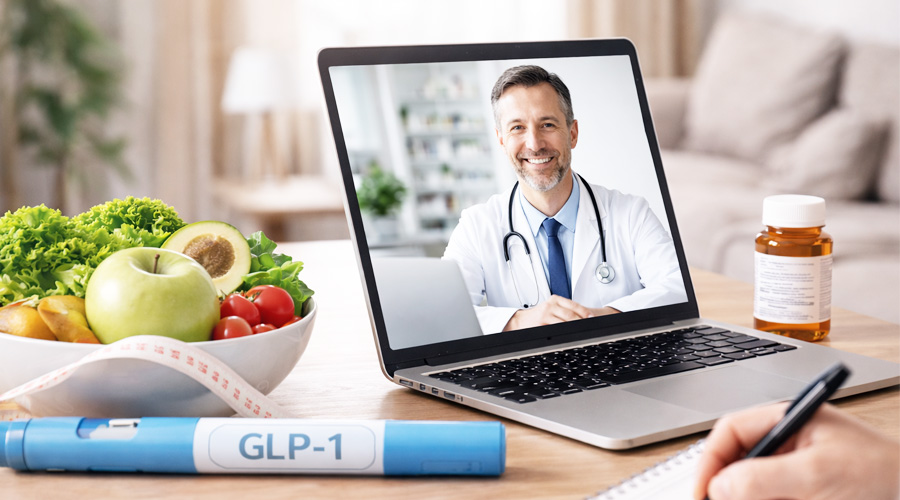
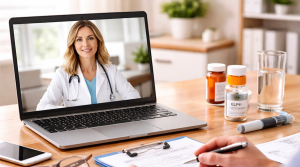
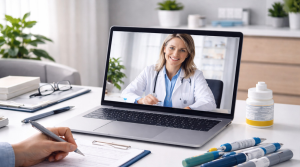
GLP-1 telehealth fits into modern weight management as a remote care model that connects patients with clinicians through online platforms. These programs focus on medication-based support within a broader weight-management context, rather than replacing lifestyle, nutritional, or in-person approaches entirely.
Within the modern weight-management ecosystem, GLP-1 telehealth programs operate alongside primary care, specialty clinics, and self-directed efforts. The GLP-1 telehealth weight management model emphasizes access, continuity, and digital coordination rather than physical clinic visits.
This structure reflects how online GLP-1 weight loss program platforms are positioned today. They function as one option among several, with clinical decisions remaining separate from platform operations.
1. GLP-1 Telehealth Position in Modern Weight Management Models
GLP-1 telehealth occupies a defined position within modern weight management as a medication-centered care channel delivered remotely. It exists alongside in-person clinical care, commercial programs, and self-directed approaches rather than replacing them.
Within this ecosystem, GLP-1 telehealth programs are typically described as access-oriented models. Common structural features include
Digital medical intake and onboarding
Virtual clinician interactions
Pharmacy fulfillment without in-person pickup
This positioning reflects broader shifts in healthcare delivery. Weight management has expanded beyond single-setting care, and GLP-1 telehealth represents one way medication-based support is integrated into that wider landscape (NIH, 2023).
2. GLP-1 Telehealth Versus Traditional In-Person Weight Management Care
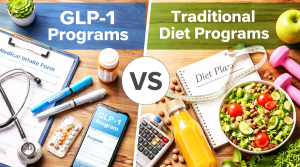
GLP-1 telehealth differs from traditional in-person care primarily in how services are delivered and coordinated. Care interactions occur through digital platforms rather than physical clinic visits, changing how access and follow-up are structured.
Table 1. Structural Differences Between GLP-1 Telehealth and In-Person Weight Management Care
Care attribute
GLP-1 telehealth programs
Traditional in-person care
Primary care setting
Remote, platform-based access
Physical clinic or office setting
Appointment format
Virtual consultations and messaging
In-person office visits
Intake process
Digital medical intake systems
Paper or in-office intake forms
Ongoing communication
Online portals and remote follow-up
Scheduled visits and phone contact
Pharmacy fulfillment
Centralized or mail-order pharmacies
On-site or local retail pharmacies
In-person weight management models often center on scheduled office appointments and on-site services. GLP-1 telehealth programs instead rely on remote communication, centralized systems, and distributed pharmacy fulfillment.
These differences reflect format rather than medical authority (Cleveland Clinic, 2024). Licensed clinicians remain responsible for clinical decisions in both settings, while telehealth platforms focus on enabling remote delivery and administrative coordination.
3. How GLP-1 Telehealth Coexists With Lifestyle and Behavioral Weight Management
GLP-1 telehealth is commonly positioned as one component within broader weight-management efforts that may include lifestyle-based approaches. Programs are typically framed as operating alongside nutrition, physical activity, and behavioral strategies rather than replacing them.
Within this structure, GLP-1 telehealth platforms focus on facilitating access to medication-based care. Lifestyle changes are often discussed as part of the wider context, but they are not managed or delivered directly by the platforms themselves.
This coexistence reflects how weight management is presented today (Mayo Clinic, 2024). Medication, lifestyle efforts, and clinical oversight are described as separate but parallel elements within a single, broader ecosystem.
Important Clarification. References to lifestyle factors within GLP-1 telehealth programs do not indicate that platforms provide or oversee lifestyle interventions. Clinical evaluation and prescribing remain the responsibility of licensed clinicians, while lifestyle changes occur outside platform control.
4. GLP-1 Telehealth Platform Role Versus Licensed Clinician Authority
In GLP-1 telehealth, platforms and clinicians serve distinct but connected roles. Telehealth platforms manage the digital infrastructure that supports intake, communication, and coordination.
Table 2. Division of Responsibilities Between GLP-1 Telehealth Platforms and Licensed Clinicians
Responsibility area
Telehealth platform role
Licensed clinician role
Medical intake systems
Provides and maintains digital intake tools
Reviews intake information clinically
Care coordination
Manages scheduling, messaging, and records
Determines appropriate medical follow-up
Prescribing decisions
Does not prescribe or approve medications
Issues prescriptions when clinically appropriate
Clinical judgment
No role in medical decision-making
Exercises independent professional judgment
Ongoing medical care
Supports access and communication
Oversees ongoing clinical management
Licensed clinicians are responsible for medical evaluation and prescribing decisions. These decisions are based on individual medical intake and professional judgment, not platform rules or automation.
This separation of roles is central to how GLP-1 telehealth programs operate (APA, DSM-5-TR). Platforms enable access and organization, while clinicians retain full authority over medical care.
5. Why GLP-1 Telehealth Expanded in the Modern Weight Management Ecosystem
GLP-1 telehealth expanded as part of wider changes in how healthcare services are delivered and accessed. Demand for remote care options increased across many specialties, including weight management.
Within this environment, telehealth offered ways to scale clinical access without relying on physical clinic capacity. Common structural enablers included
Centralized digital intake systems
Remote clinician review workflows
Coordinated pharmacy fulfillment
This expansion reflects structural factors rather than clinical claims (NIH, 2023). GLP-1 telehealth grew alongside broader telehealth adoption, responding to access gaps and system-level limitations rather than replacing existing care models.
Important Clarification. The growth of GLP-1 telehealth reflects changes in care delivery infrastructure, not changes in clinical standards. Medical evaluation and prescribing decisions remain the responsibility of licensed clinicians, regardless of whether care is delivered remotely or in person.
6. Common Misunderstandings About GLP-1 Telehealth Scope and Limits
GLP-1 telehealth is sometimes misunderstood as a replacement for all other forms of weight management care. In practice, these programs are structured as an additional access channel rather than a comprehensive substitute.
Table 3. Common Scope Boundaries in GLP-1 Telehealth Programs
Area of care
What GLP-1 telehealth does
What GLP-1 telehealth does not do
Care access
Provides remote access to licensed clinicians
Replace in-person clinical care entirely
Medical decisions
Supports clinician-led evaluation workflows
Make or automate prescribing decisions
Lifestyle support
May reference lifestyle context
Deliver diet, exercise, or coaching programs
Care scope
Focuses on medication-based telehealth care
Act as a full weight-management solution
Clinical authority
Operates under clinician oversight
Override clinician judgment or discretion
Telehealth platforms do not replace primary care relationships, in-person clinical services, or lifestyle-based support systems. Their role is limited to facilitating remote access to clinician-led, medication-based care.
Clarifying these boundaries helps explain how GLP-1 telehealth fits within the broader ecosystem. It operates alongside existing care models, with defined limits on what platforms manage and what clinicians decide.
7. GLP-1 Telehealth in Long-Term Weight Management Models
GLP-1 telehealth is commonly framed as part of an ongoing weight-management approach rather than a short-term intervention. Programs are typically structured around continuity of care, with remote access designed to support longer-term clinical oversight.
Within this model, telehealth platforms emphasize sustained access rather than episodic interactions. Common structural elements include
Ongoing remote communication channels
Periodic clinician review over time
Centralized coordination of care interactions
This framing reflects how modern weight management is often described. GLP-1 telehealth operates within longer-term care discussions, without defining timelines, outcomes, or guarantees.
Important Clarification. Ongoing access through a GLP-1 telehealth platform does not imply continuous treatment approval or guaranteed continuation of care. Clinical review, prescribing decisions, and any changes to care remain independently determined by licensed clinicians.
8. Conclusion: The Role of GLP-1 Telehealth in Modern Weight Management
GLP-1 telehealth fits into modern weight management as a structurally distinct access model rather than a standalone solution. It is positioned alongside in-person care, lifestyle efforts, and other clinical services within a broader ecosystem.
Across providers, this model is defined by remote delivery, platform coordination, and clinician-led decision-making. These features explain how GLP-1 telehealth is commonly integrated today.
Understanding this positioning helps clarify what GLP-1 telehealth does and does not represent. It functions as one documented option within modern weight-management systems, with clearly defined roles and limits.
Sources:
National Institutes of Health (NIH). Telehealth and healthcare delivery models. 2023.
Cleveland Clinic. Telehealth care delivery and clinical roles. 2024.
Mayo Clinic. Weight management approaches and clinical care models. 2024.
American Psychiatric Association (APA). DSM-5-TR: Diagnostic and Statistical Manual of Mental Disorders, Text Revision.
U.S. Food and Drug Administration (FDA). Telehealth and digital health care overview. 2024.