Online GLP-1 telehealth programs can appear simple on the surface, but their structure is more layered than many assume. Understanding who controls medical decisions, what platforms manage, and where limits apply is essential before interpreting how these programs operate in practice.
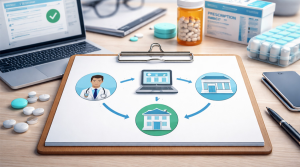
Online GLP-1 telehealth programs in the U.S. operate through digital platforms that collect medical intake information and route it to licensed clinicians for review. The platform manages access, documentation, and pharmacy coordination, while clinicians determine eligibility, prescribing decisions, and treatment appropriateness based on submitted information.
These programs separate administrative functions from medical authority. Platforms do not practice medicine and do not control medical decisions. Prescriptions are issued only if a licensed clinician approves them after reviewing medical intake details.
This structure explains how an online GLP-1 telehealth program works. It also defines the platform versus clinician role, clarifying what to expect from a GLP-1 telehealth program without implying outcomes or guarantees.
1. What Is an Online GLP-1 Telehealth Program, and What Is It Not?
An online GLP-1 telehealth program is a digital service model that connects individuals to licensed clinicians through remote medical review (NIH, 2023). The platform provides the technical system that supports program operations, including:
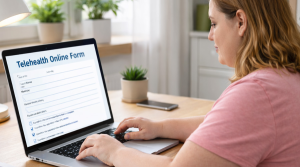
intake form delivery and data collection
record storage and routing
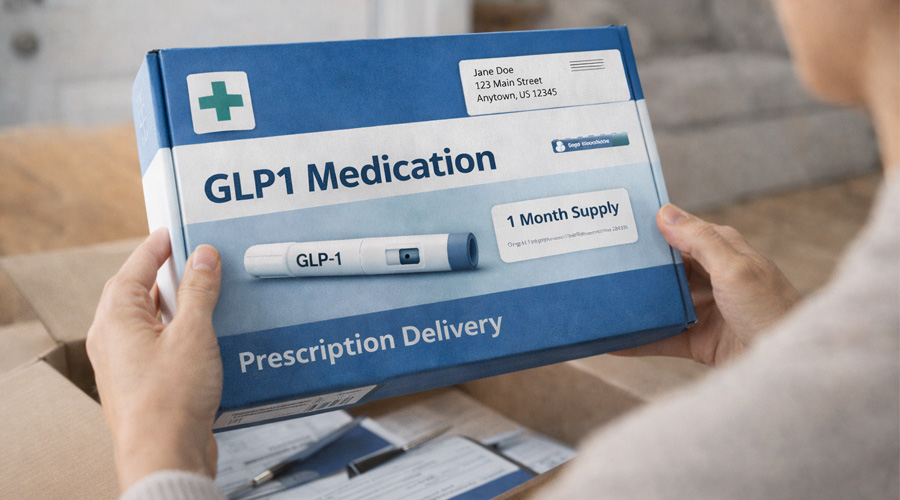
coordination with pharmacies when prescriptions are issued
These programs are not medical providers. The platform does not perform clinical functions:
diagnosing conditions
determining medical eligibility
deciding whether medication is prescribed
All clinical decisions are made independently by licensed clinicians based on submitted medical intake information. This distinction shapes how U.S. GLP-1 telehealth programs operate and limits the platform’s role to administrative and logistical functions under applicable state and federal rules.
Important Clarification. Use of an online GLP-1 platform does not mean medical care is being delivered by the platform itself. Clinical evaluation, eligibility decisions, and prescribing authority remain the responsibility of licensed clinicians, not the digital system.
2. Who Makes Clinical Decisions in Online GLP-1 Programs?
Clinical decisions in online GLP-1 telehealth programs are made by licensed clinicians, not by the platform itself (Cleveland Clinic, 2024). Clinicians review medical intake information and determine whether an individual meets clinical criteria for participation under their professional judgment.
The platform does not influence prescribing decisions. It does not approve or deny treatment, set medical standards, or override clinician judgment. Its role is limited to presenting information and documenting determinations made by the reviewing clinician.
Table 1. Platform Responsibilities vs. Licensed Clinician Authority
Function or decision area
Platform role
Licensed clinician role
Medical eligibility determination
Does not determine eligibility
Reviews intake information and determines eligibility
Prescribing decisions
Does not prescribe medications
Issues or declines prescriptions
Medical judgment and diagnosis
Does not diagnose or assess conditions
Applies clinical judgment and diagnosis
Treatment approval or denial
Does not approve or deny treatment
Approves, requests clarification, or declines
Documentation and records
Stores and routes information
Creates and signs clinical records
This separation is central to how these programs function. It reflects regulatory requirements that reserve diagnosis and prescribing authority to licensed clinicians, regardless of whether care is delivered in person or through telehealth systems.
3. What Information Do Online GLP-1 Programs Typically Require?
Online GLP-1 telehealth programs typically require structured medical intake information before any clinical review occurs (Mayo Clinic, 2024). This information is submitted through a digital platform and is used by licensed clinicians to assess eligibility and safety considerations.
Common intake categories usually include:
personal and contact details
medical history disclosures
current medications and allergies
self-reported health metrics
The platform collects and organizes this information but does not interpret or assess it. Licensed clinicians review the intake data and determine whether further evaluation or prescribing is appropriate under their clinical authority.
Table 2. How Medical Intake Information Is Collected and Reviewed
Intake information category
Collected through platform
Reviewed by licensed clinician
Personal and contact details
Collected and stored for identification and access
Used for patient records and verification
Medical history disclosures
Collected and formatted for review
Evaluated for clinical relevance
Current medications and allergies
Collected and displayed in intake records
Assessed for safety considerations
Self-reported health metrics
Collected as submitted
Interpreted using clinical judgment
This intake structure ensures that medical decisions are based on clinician review rather than automated platform screening.
Important Clarification. Submitting medical intake information does not result in automatic screening or approval by the platform. All submitted information is reviewed and interpreted by licensed clinicians, not evaluated or decided by the digital system.
4. How Is Medical Intake and Review Usually Handled Online?
Medical intake and review in online GLP-1 telehealth programs are typically handled through asynchronous digital workflows. The process is structured around defined system steps rather than live interaction:
intake information is submitted through an online portal
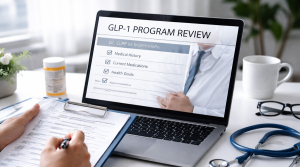
submitted information is routed to a licensed clinician for review
clinician determinations are documented within the platform
follow-up clarification requests are issued through the same system
This review does not occur in real time. The platform facilitates information exchange and recordkeeping but does not participate in clinical evaluation. Licensed clinicians retain full responsibility for medical judgment.
5. What Do Online GLP-1 Programs Not Guarantee or Control?
Online GLP-1 telehealth programs do not guarantee eligibility, prescriptions, or ongoing access to medication (NIH, 2023). Participation is not automatic and depends on clinical review conducted by a licensed clinician using submitted intake information.
These programs also do not control medical outcomes, treatment decisions, or individual responses to treatment. Platforms cannot override clinician judgment or alter prescribing decisions once a medical review is completed.
Table 3. What Online GLP-1 Telehealth Programs Do Not Guarantee or Control
Area not guaranteed or controlled
Platform role
Who determines it
Eligibility for participation
Does not guarantee eligibility
Licensed clinician after intake review
Prescription approval
Does not approve prescriptions
Licensed clinician judgment
Medication availability
Does not ensure availability
Pharmacy fulfillment and clinician decision
Treatment outcomes
Does not influence outcomes
Individual response and clinical care
Ongoing care decisions
Does not manage care plans
Licensed clinician
Understanding these limits is necessary to interpret how these programs operate. The platform provides structure and access, while clinical authority and responsibility remain outside the platform’s control.
Important Clarification. Platform membership, account access, or payment does not guarantee eligibility, prescriptions, or medication access. All clinical determinations are made independently by licensed clinicians after medical intake review.
6. Why Do Online GLP-1 Programs Operate Differently From One Another?
Online GLP-1 telehealth programs operate differently because platforms are built around varying business models, technical systems, and compliance approaches. While core clinical authority remains consistent, operational details are determined by how each program is structured.
Operational areas that commonly vary across programs include:
how intake forms are designed and presented
how clinician networks are organized
how pharmacy fulfillment is coordinated
how costs are displayed and billed
These differences do not change who makes medical decisions. Licensed clinicians retain prescribing authority, while platforms design the systems that support intake, documentation, and coordination.
Table 4. Where Online GLP-1 Telehealth Programs Commonly Differ
Operational element
What can vary by program
What does not vary
Intake form design
Question format, length, and structure
Clinician review requirement
Clinician network structure
Staffing models and coverage arrangements
Licensed clinician authority
Pharmacy coordination
Partner pharmacies and fulfillment logistics
Prescription decision ownership
Cost presentation
Billing structure and display format
Clinical decision independence
These variations explain structural differences without altering the clinician-led decision model that governs all medical determinations.
7. What Are Common Misunderstandings About Platform and Clinician Roles?
Several common misunderstandings appear when reviewing online GLP-1 telehealth programs:
the platform itself provides medical care or makes treatment decisions
completing intake guarantees approval or prescribing
In practice, the platform functions as an administrative and technical layer rather than a medical authority. Submission of information only initiates clinical review, and licensed clinicians may approve, request more information, or decline participation based on their medical judgment.
Clarifying these points helps explain how U.S. GLP-1 telehealth programs operate. Platforms enable access and coordination, while clinicians retain independent responsibility for all medical decisions.
8. How Does Communication Typically Work Inside GLP-1 Telehealth Platforms?
Communication in online GLP-1 telehealth programs typically occurs through secure digital platforms rather than direct, real-time interaction. These systems are designed to centralize messages, documents, and updates related to medical intake and clinician review activities.
Common communication channels usually include:
secure online portals
asynchronous messaging systems
platform-based notifications or updates
Communication generally takes place between the individual and the platform interface, with licensed clinicians responding as part of the medical review process. The platform manages message delivery and recordkeeping, while clinicians determine the content of any medical responses.
Important Clarification. Platform messaging tools facilitate information exchange but do not represent continuous medical monitoring or real-time clinical care. Licensed clinicians decide when and how medical communication occurs within the limits of telehealth review.
9. What Are the Scope Limits of Online GLP-1 Telehealth Programs?
Online GLP-1 telehealth programs are limited to providing digital access, administrative coordination, and clinician review within a defined telehealth framework (APA, DSM-5-TR). They do not replace in-person medical care or assume responsibility beyond the services described by the platform.
These programs do not determine medical necessity, guarantee treatment availability, or manage long-term care decisions. Licensed clinicians retain full authority over diagnosis and prescribing, while platforms remain responsible only for system operation and documentation.
This scope defines how these programs should be understood. The process explains access and review mechanics, not medical outcomes, treatment plans, or individual health results.
Sources:
National Institutes of Health (NIH). Telehealth and digital health care delivery in the United States. 2023.
Mayo Clinic. Telehealth services and online medical review processes. 2024.
Cleveland Clinic. Telehealth care models and clinician decision authority. 2024.
American Psychiatric Association (APA). Diagnostic and Statistical Manual of Mental Disorders, Text Revision (DSM-5-TR).
U.S. Department of Health and Human Services (HHS). Telehealth policy and regulatory overview for U.S. healthcare.